W-ModelGW
A unified AI model gateway.
- →One API for many providers
- →Smart routing
- →Rate limiting & keys
- →Edge-deployed
 UI preview
W-ModelGW is a lightweight, edge-deployed AI model gateway that sits in front of every provider you use — OpenAI, Anthropic, open-weight endpoints, W-MaaS, and more — and exposes them all through a single unified API. Teams stop hard-coding provider credentials into every service and instead route all model traffic through one controllable chokepoint with rate limiting, API key management, and smart fallback routing. Deployed at the edge, it adds minimal latency while providing maximum visibility and control.
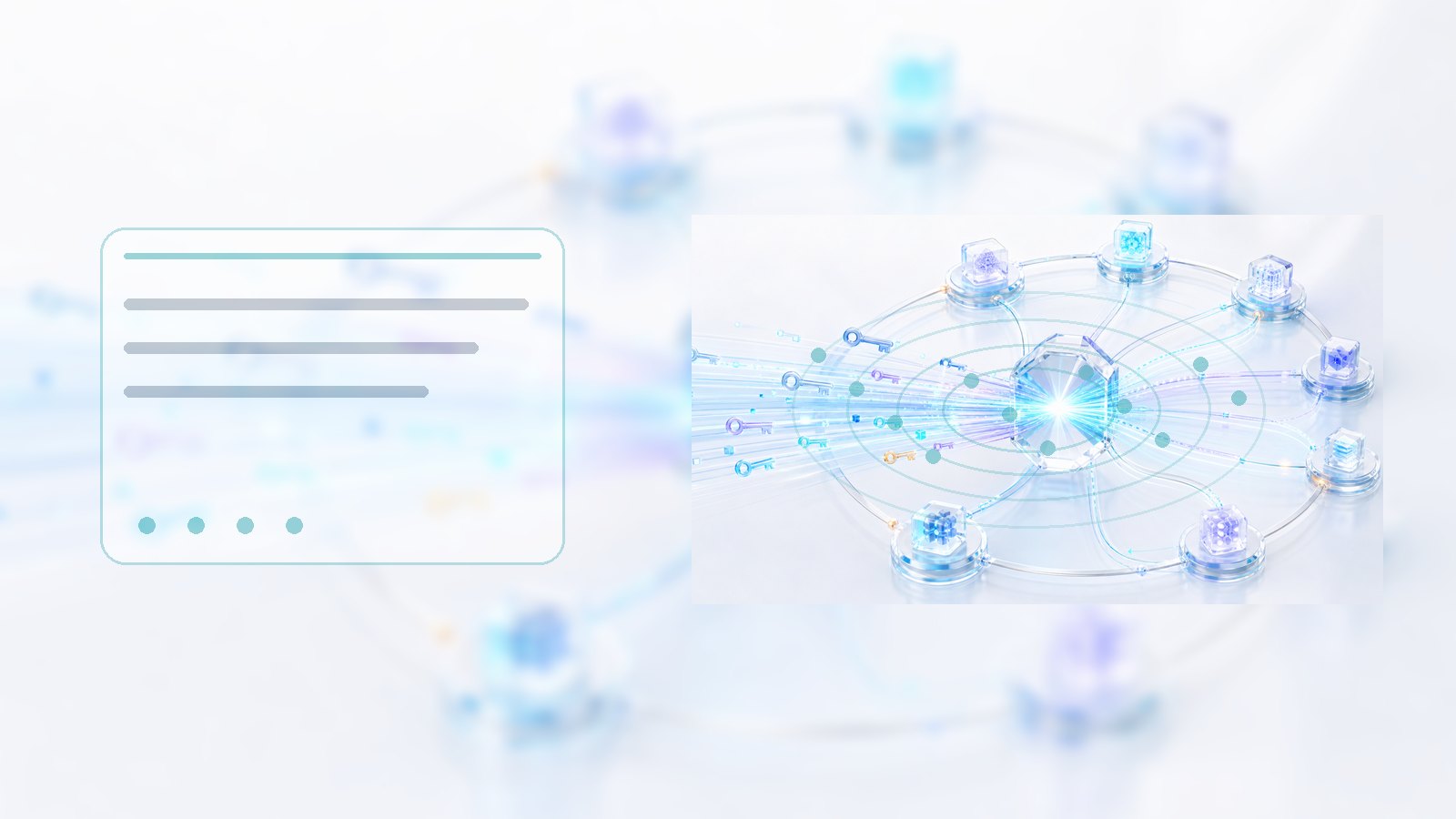
One API for every provider
W-ModelGW normalizes the request and response format across providers so application code never needs to branch on which backend is serving a request. Add a new provider or swap an underlying model without touching the calling service — just update the gateway route configuration and traffic shifts automatically.
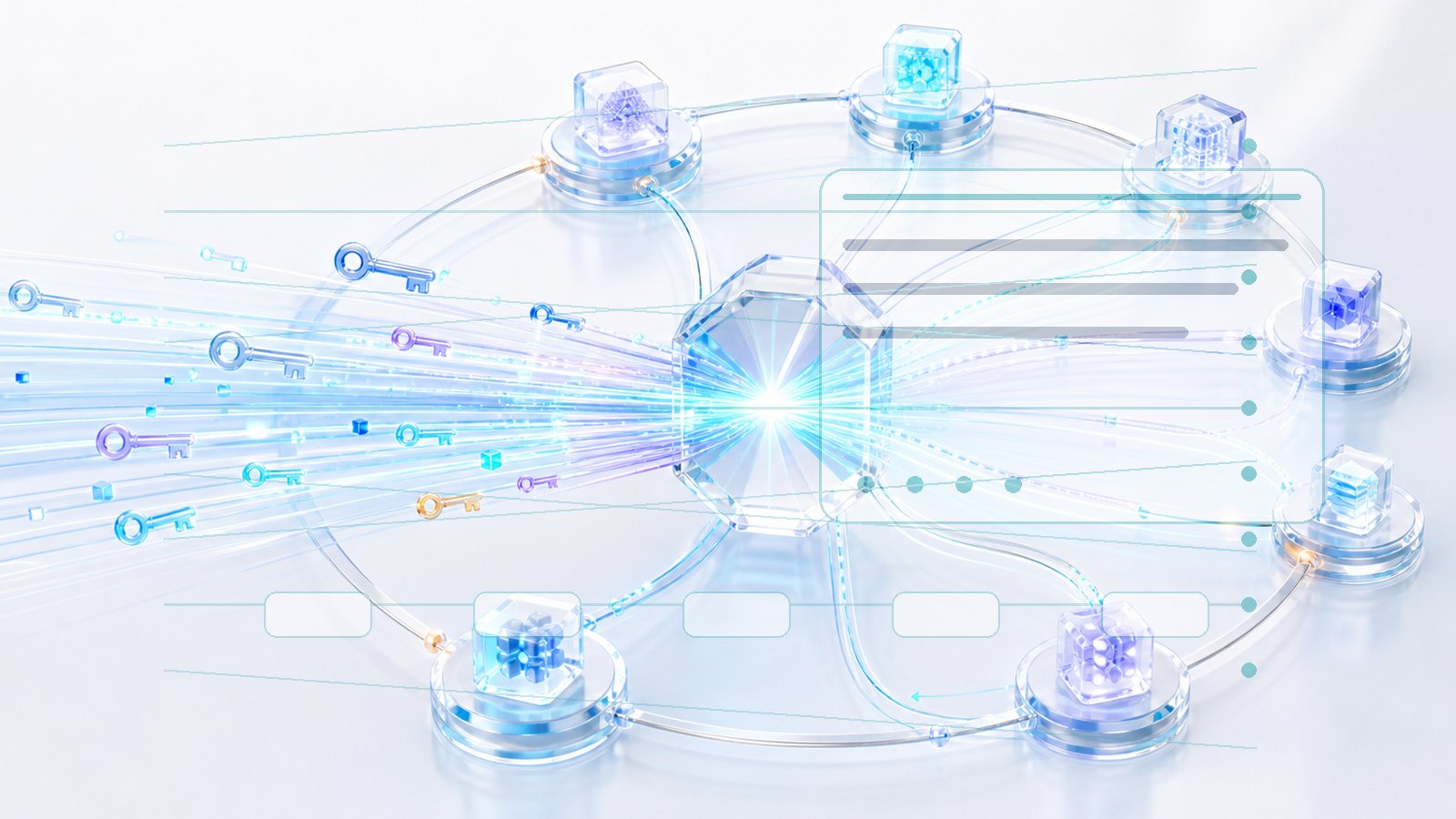
Smart routing & fallback
Define routing rules by model name, cost threshold, latency target, or request metadata. W-ModelGW can round-robin across providers for load distribution, fail over to a secondary when a primary is degraded, or shadow-route a percentage of traffic to a new model for A/B evaluation — all without redeploying application code.
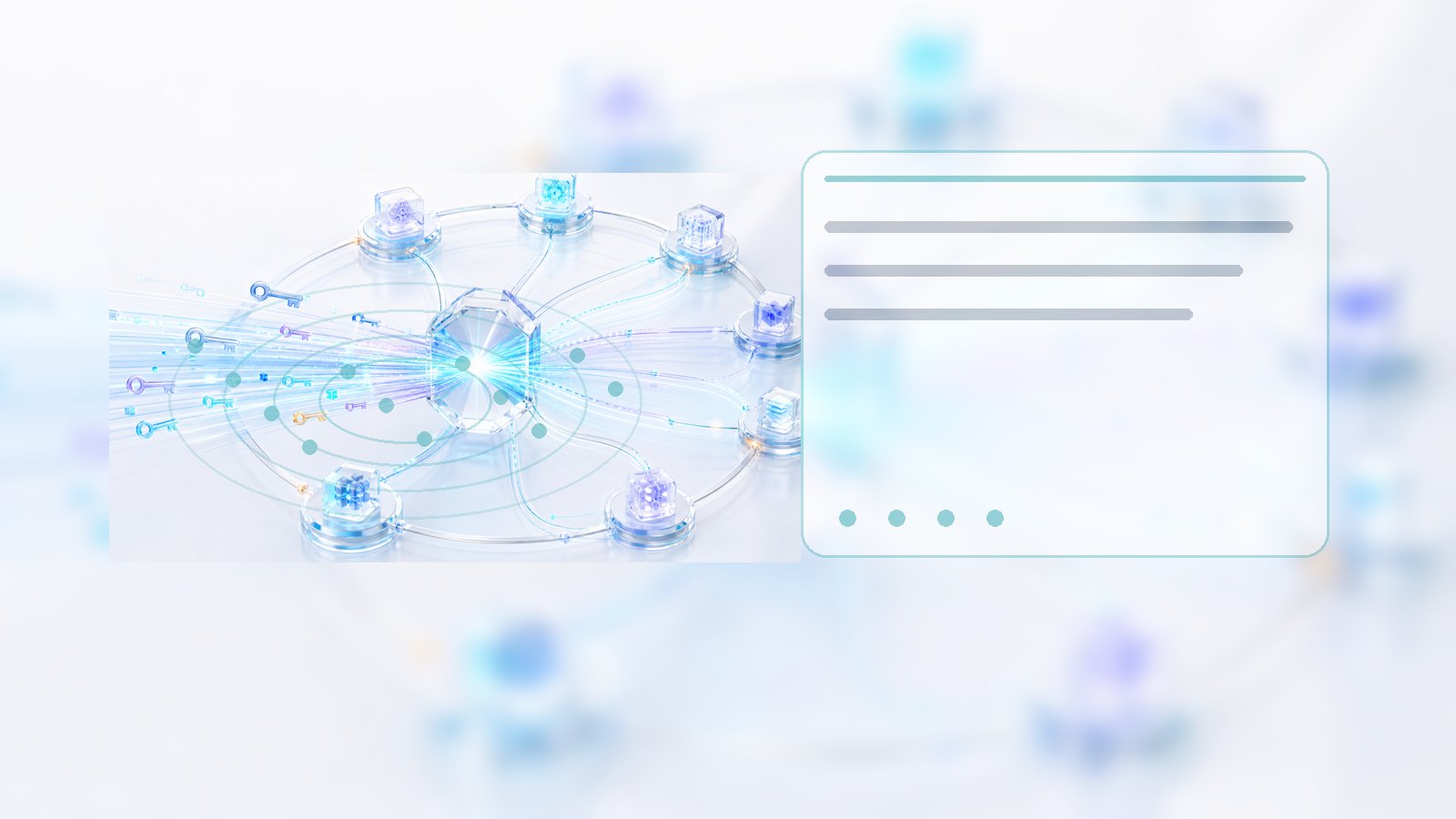
Rate limiting & API key management
Issue scoped API keys to teams, services, or external partners and apply per-key rate limits and quota caps. W-ModelGW enforces limits at the edge before requests reach the upstream provider, protecting your cost ceiling and preventing abuse. All key activity is logged so you can audit usage down to the individual caller.
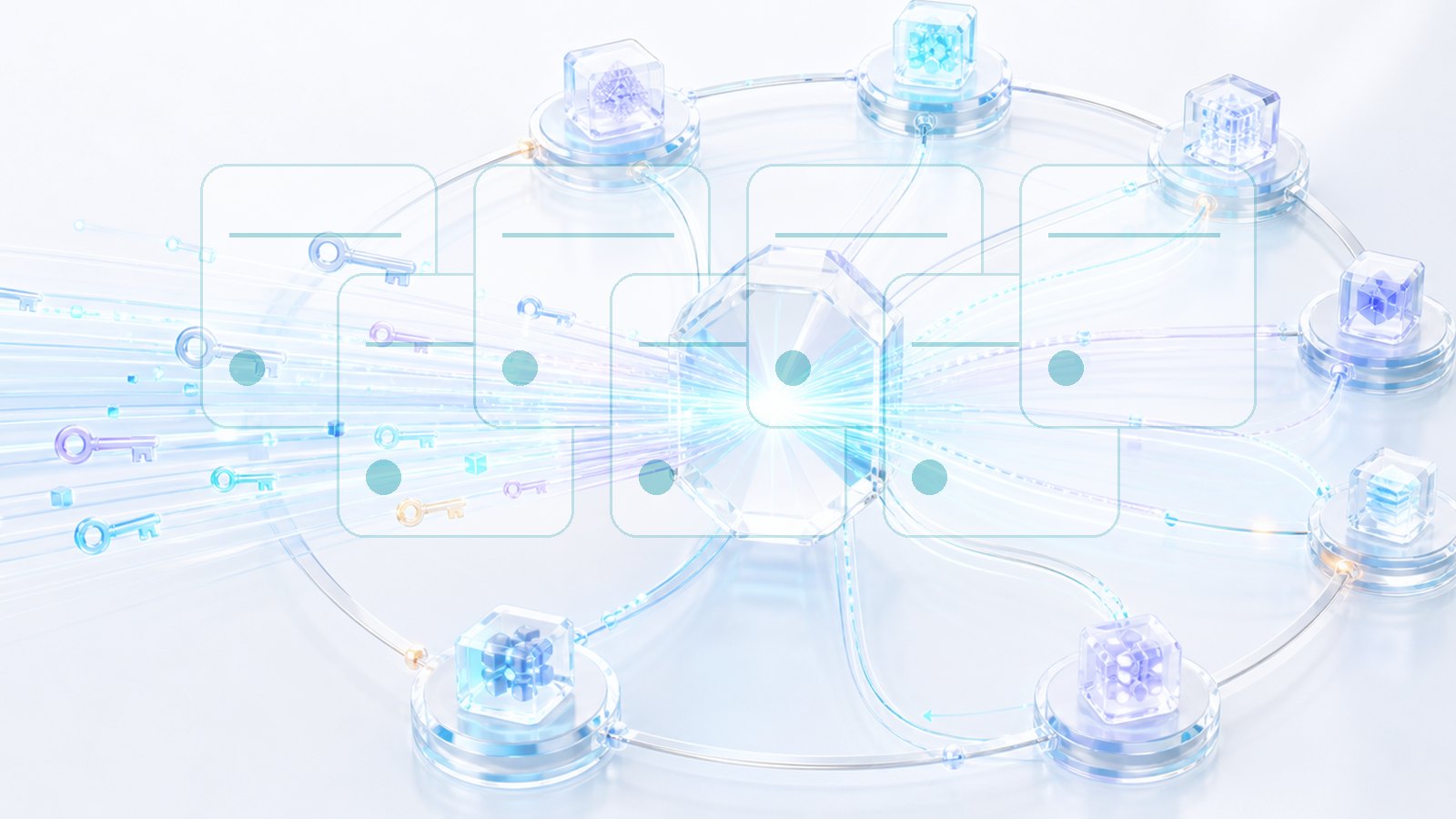
Edge-deployed for low latency
Running at the edge rather than in a centralized data center means W-ModelGW adds single-digit milliseconds of overhead even for latency-sensitive interactive applications. Stateless architecture means horizontal scaling requires no coordination — traffic spikes are absorbed without configuration changes.
Use cases
- →Centralize all LLM provider credentials behind one internal gateway instead of scattering them across services
- →Automatically fall back to a secondary model provider when the primary is experiencing an outage
- →Issue rate-limited API keys to external partners who need model access without exposing upstream credentials
- →A/B test two models by shadow-routing a slice of production traffic to each
- →Enforce per-team cost budgets on model usage without modifying application code
No per-product fees. Your W membership unlocks every product — sign in anywhere with W-ID.